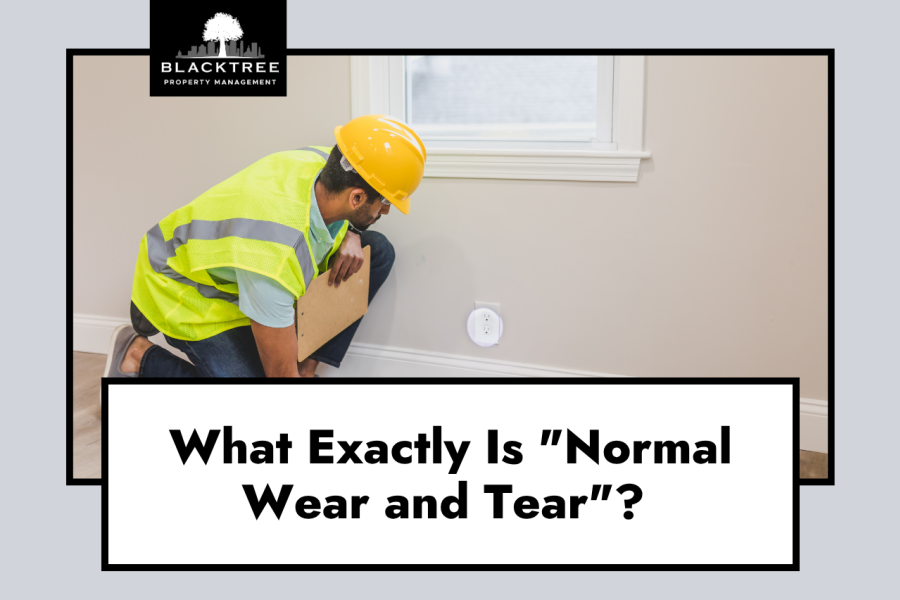
- Normal wear and tear is the natural decline of a property from everyday living, not from neglect or carelessness.
- Maryland law only allows landlords to withhold security deposit funds for damage beyond ordinary wear and tear, plus unpaid rent.
- Damage differs from wear and tear because it stems from accidents, misuse, or a lack of basic care.
- Move-in and move-out documentation is the single best way to settle disputes over what a tenant should or shouldn't pay for.
- Clear lease terms and routine inspections keep both the owner's investment and the tenant's deposit protected.
For landlords in Anne Arundel County, understanding the difference between normal wear and tear and property damage is essential when managing tenant move-outs.
At BlackTree Property Management, we help rental owners navigate these common gray areas by providing guidance, clear documentation, and professional oversight.
In this article, we’ll break down what qualifies as everyday wear and tear, what may be considered damage, and how proper management practices can help prevent disputes.
Get A Free Rental Analysis
What Counts as Normal Wear and Tear
Normal wear and tear is the gradual wear a home experiences just from being lived in. Carpet thins out after two years of foot traffic. Door hinges loosen after being used a few thousand times.
None of that happens because a tenant did something wrong. It's simply what occurs when a property gets used the way it's supposed to be used.
A useful test that shows up often in landlord-tenant disputes: could a reasonably careful tenant have prevented this? If the honest answer is no, it's almost certainly wear and tear.
Common examples include:
- Lightly worn flooring in hallways or living areas.
- Small nail holes from picture frames or shelving.
- Faded paint or sun-bleached window coverings.
- Minor wall scuffs near light switches or doorframes.
- Loose cabinet handles or door hinges from regular use.
Someone who rented a Baltimore home for three years and left behind a slightly duller hardwood floor didn’t damage anything.
That floor was naturally going to show signs of daily living over time, especially with a long-term tenant who consistently cared for the property and helped provide stability for the rental.
.jpg "pexels-rdne-8293678%20%284%29")
Where Damage Begins
Damage is a separate category entirely, and it usually points to negligence, an accident that never got reported, or something done on purpose. One nail hole is wear and tear.
A cluster of a dozen holes, or a hole big enough to need a drywall patch, starts looking like something else.
Typical examples of damage include:
- Torn carpet, deep stains, or burn marks.
- Broken windows, doors, or fixtures.
- Large holes or cracks in walls.
- Pet damage beyond light scratching, such as chewed trim or urine stains.
- Mold growth from an unreported leak.
- Unapproved paint jobs or structural alterations.
The real dividing line is avoidability. Wear and tear happens no matter how careful someone is. Damage happens because something went wrong, whether that's an accident, poor upkeep, or outright disregard for the property.
About Us
Security Deposit Decisions
The difference between wear and tear and property damage directly impacts security deposit decisions.
.jpg "pexels-karola-g-7680556%20%284%29")
Maryland landlords can only use deposit funds for unpaid rent or damage beyond normal use, making accurate assessments essential. Charging for everyday aging, such as faded paint or worn flooring, can lead to disputes and legal issues.
A fair move-out process protects both owners and tenants while helping maintain a positive reputation.
By following consistent documentation practices and applying clear standards, landlords can stay compliant, keep tenants happy, and build trust with current and future renters.
Proper Documentation
Proper documentation is one of the best ways to prevent disagreements over property damage.
A detailed move-in inspection with photos and a signed condition report creates a clear record of the property’s original condition.
At move-out, dated photos, checklists, and comparisons with the initial inspection help determine whether issues are normal wear and tear or actual damage.
Clear lease terms and itemized repair documentation also help keep the process fair and transparent.
Preventing Confusion Before It Starts
Clear maintenance expectations, regular property upkeep, and proactive updates can help prevent disputes over wear and tear. Keeping records of your property’s condition makes it easier to separate normal aging from actual damage.
.jpg "pexels-a-darmel-7641900%20%283%29")
A thorough tenant screening process also helps reduce the risk of costly repairs and move-out disagreements by placing responsible renters in your property.
Final Thoughts
Normal wear and tear stops being a gray area once it's broken down properly. It's simply the expected result of a home being lived in, nothing more. Damage is what happens when something avoidable goes wrong.
Knowing the difference protects an owner's bottom line, keeps deposit decisions legally sound, and helps build the kind of reputation that draws in reliable, long-term tenants.
Anne Arundel County and Baltimore-area property owners who want help navigating deposit deductions, inspections, or ongoing maintenance decisions don't need to sort it out alone.
BlackTree Property Management handles these judgment calls every day for owners across Maryland, protecting both the property and the tenant relationship. Contact BlackTree Property Management today to see how professional management takes the guesswork out of every move-out.
Contact Us
Frequently Asked Questions
Can a landlord charge a tenant for replacing outdated features?
Generally, landlords cannot charge tenants for normal aging or the natural decline of a property’s features. If an item has reached the end of its expected lifespan through regular use, the cost of replacement is typically considered part of normal ownership expenses. Property owners should consider factors like the age, condition, and remaining useful life of an item before assigning repair costs.
How can landlords make fair decisions about repair charges?
Fair decisions require looking at the full context of the issue, including the condition of the property before move-in, the length of the tenancy, the severity of the issue, and whether the problem could have been prevented through reasonable care. Using consistent standards instead of making decisions based on appearance alone helps owners avoid unnecessary disputes.
Should landlords schedule routine inspections between tenants?
Regular inspections can help property owners identify maintenance needs, track changes over time, and address small issues before they become expensive repairs. For rental owners in Anne Arundel County, proactive inspections also provide valuable insight into how the property is performing and where future improvements may be needed.
How can landlords reduce disagreements over security deposit deductions?
The best way to reduce disagreements is to establish clear expectations from the beginning of the lease. Detailed lease language, documented maintenance requests, consistent inspection procedures, and organized repair records create a stronger process if questions arise after a tenant moves out.
What role does property maintenance play in protecting a rental investment?
Ongoing maintenance helps preserve a property's condition, improve tenant satisfaction, and reduce the likelihood of major repair expenses. Addressing routine upkeep throughout a tenancy also makes it easier to identify whether an issue resulted from normal use or from a preventable problem.
How does professional property management help with move-out evaluations?
A property management company provides an objective approach to move-out evaluations by applying consistent procedures, maintaining records, and helping owners make informed decisions. BlackTree Property Management assists Maryland rental owners with inspections, maintenance coordination, and the day-to-day details that help protect their investments.
When should a landlord consider hiring a property management company?
Owners may benefit from professional management when they want help handling tenant transitions, maintenance decisions, compliance responsibilities, or the ongoing demands of rental ownership. A property manager can provide systems and experience that help reduce stress while supporting long-term property performance.